SSL Certificate: What It Actually Secures (and Why “I Have HTTPS” Isn’t Enough)
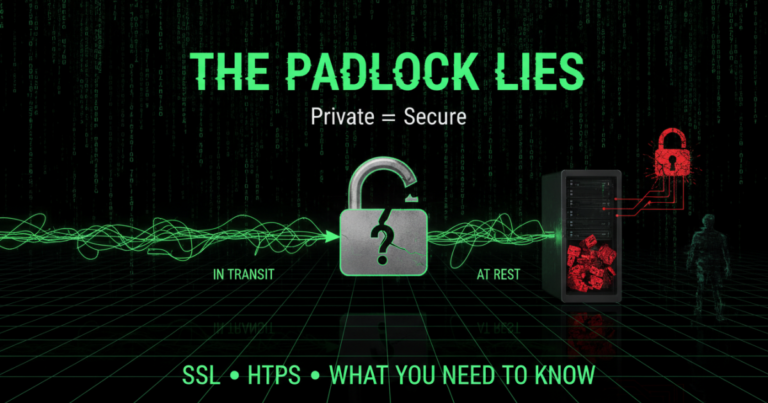
The padlock does not mean your site is secure. Most people get it wrong—and that misconception is dangerous. Here’s what SSL actually does, what it doesn’t, and what
Ops Desk Feed
Field notes from Operators* — malware rescues, SEO recovery, and the infrastructure that keeps Real Life* running.

The padlock does not mean your site is secure. Most people get it wrong—and that misconception is dangerous. Here’s what SSL actually does, what it doesn’t, and what


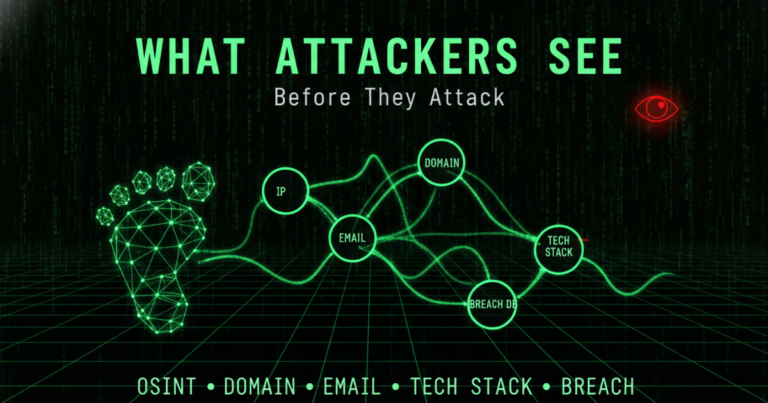
Attackers do not need to hack your systems first. OSINT—open-source intelligence—gives them domains, emails, tech stacks, and breach data before they strike. Here is what they see.

Essential Joomla maintenance checklist. Core and extension updates, security checks, database cleanup, and regular tasks to keep your Joomla site secure and performing well.

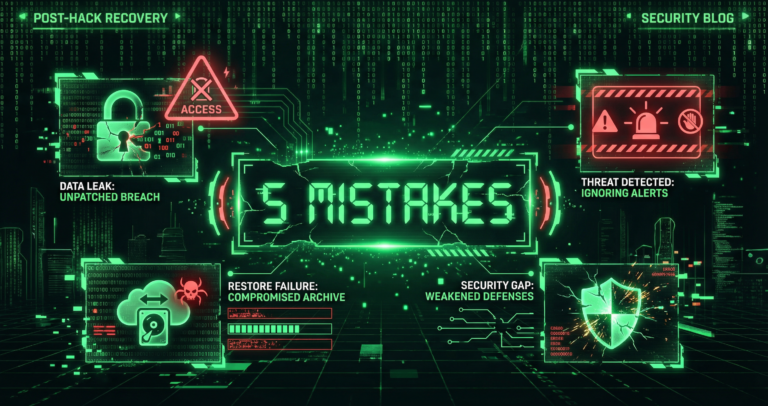
You just got hacked. What you do next matters. The #1 mistake? Restoring from backup. Plus half-cleanups, reusing passwords—here’s what to avoid.

OpenClaw (formerly Clawdbot, Moltbot) exposes your email, files, and accounts. Over 21,000 instances found online. Plaintext credentials, CVE-2026-25253, and malicious skills make it a security risk. Here’s why

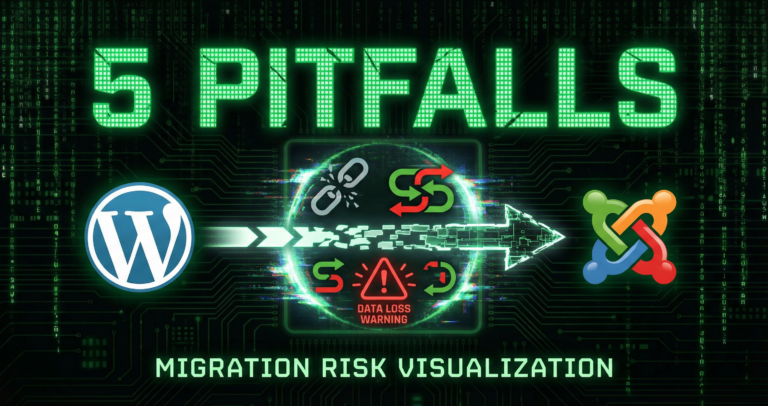
CMS migration can break your site, kill your SEO, and lose your data. Avoid these 5 pitfalls when moving between WordPress and Joomla.

Stop making these 7 mistakes. Outdated plugins, weak passwords, no backups—here’s what hackers exploit most often, and how to fix it.

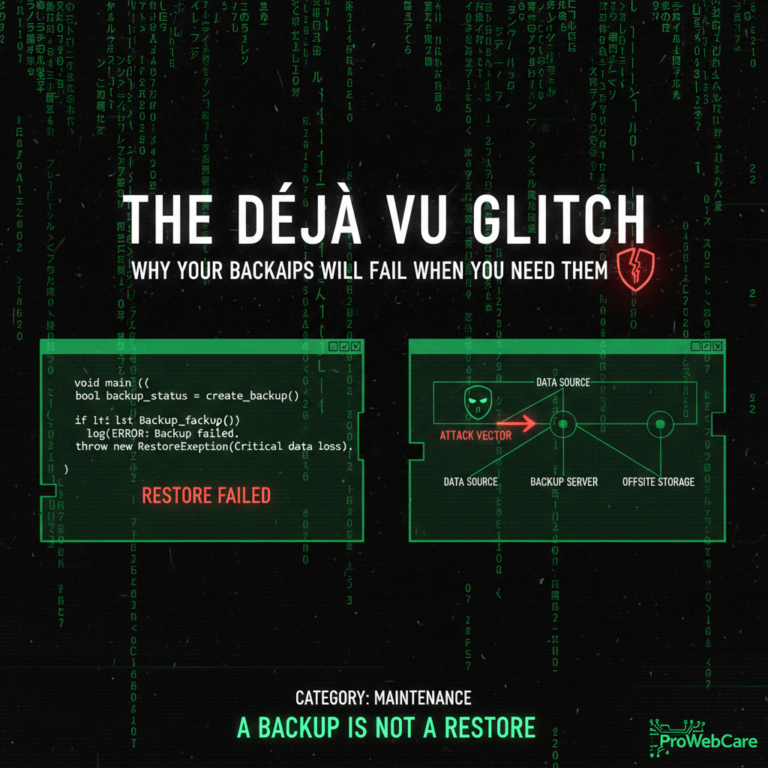
A backup is not a restore. Most website owners have “backups” that are corrupted, inaccessible, or stored on the same hacked server. Here is why the Déjà Vu

A curated list of 40 open-source GitHub repositories that feel too good to keep quiet: NocoDB, ToolJet, yt-dlp, Penpot, changedetection.io, TruffleHog, and more. No-code builders, privacy proxies, self-hosted

Over 1,100 Clawdbot instances were found exposed online. API keys, credentials, and chat histories in plaintext. Prompt injection, infostealers, and memory poisoning—what security researchers found and what you