It is the ultimate marketing hook: "Pay once, use forever."
Recent Developments

- The subscription economy has grown 435% over the last decade and continues to outpace traditional business models with a CAGR of 17.5% vs. 3.8% for the S&P 500[2].
- Companies increasingly use usage-based pricing models that grow revenue and CLV, contrasting with LTDs that lock in a fixed price and limit future revenue growth[2].
- Subscription fatigue is rising, especially among younger consumers (Gen Z and Millennials), with 42% and 44% respectively spending over $100 monthly on subscriptions but also planning cancellations[2].
You see it on AppSumo. You see it from hosting providers. You see it from plugin developers. For a single payment of $49 or $99, you get a lifetime license. No subscriptions. No renewals. Forever.
It sounds like a smart investment. It is actually a ticking time bomb.
In the digital world, "forever" does not exist. Systems decay. Code rots. Security threats evolve. And businesses that sell lifetime deals eventually face a hard mathematical reality: Entropy.
The Economics of "Forever"

Let's do the math.
A hosting company sells you a "Lifetime Hosting" plan for $100.
- Year 1: Your $100 covers the server costs, support, and electricity. The company makes a profit.
- Year 3: You have paid nothing more. But the server still costs money. Support staff still need salaries. The company is now breaking even on you.
- Year 5: You are now a liability. You are costing the company money every single month, but you are generating zero revenue.
To survive, the company has to do one of three things:
- Find new customers constantly: A Ponzi scheme model where new money pays for old users. Eventually, you run out of new customers.
- Degrade service: They throttle your speed, cut support, and crowd 5,000 sites onto one server to save costs.
- Shut down: They declare bankruptcy, close the doors, and your site vanishes.
There is no fourth option. Hosting costs money. Maintenance costs money. Security costs money. If you aren't paying for it, the business model is unsustainable.
The Security Risk of Abandonware
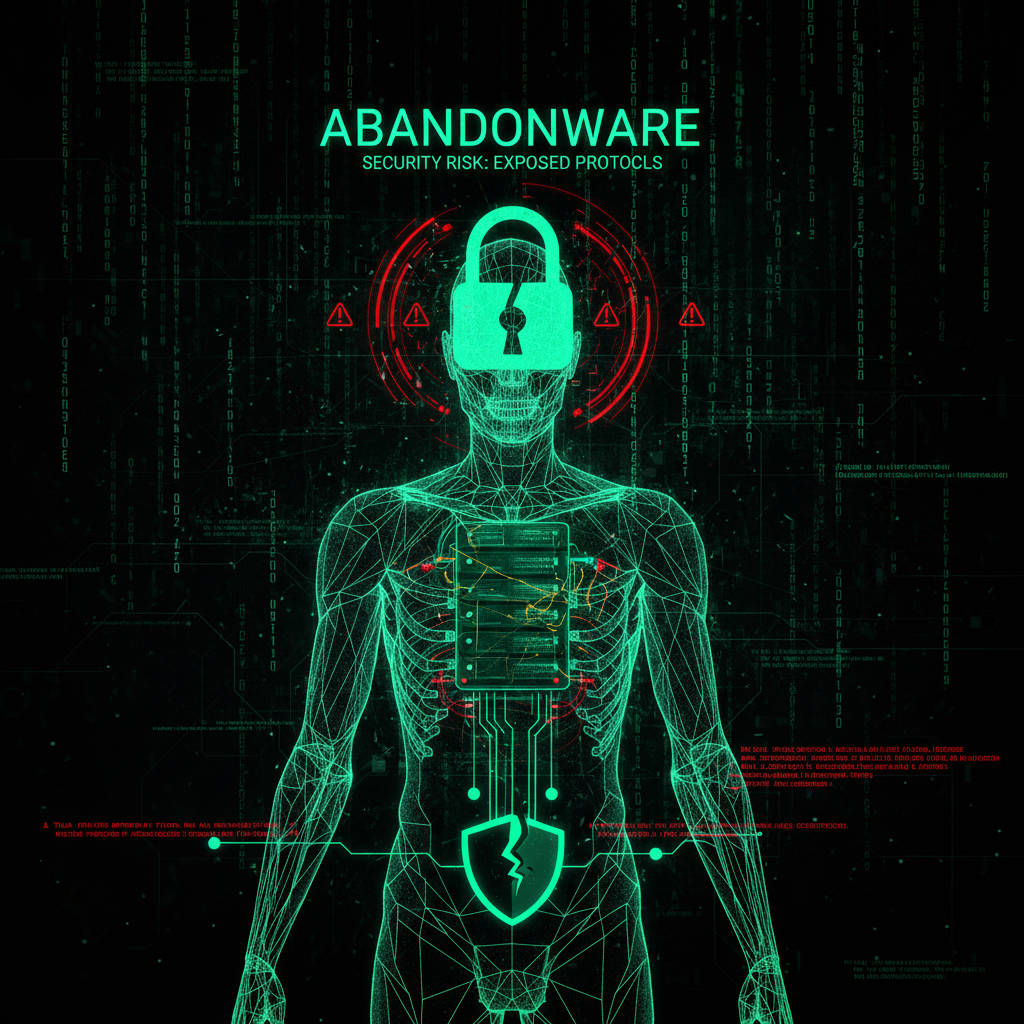
The problem is even worse with WordPress plugins.
A developer sells a "Lifetime License" for a plugin. Thousands buy it. The developer makes a quick $50,000. Great!
But then WordPress releases a major update. PHP versions change. A new security vulnerability is discovered.
The developer has already spent the money. They have no incentive to spend 100 hours rewriting the code to fix the vulnerability. They have no recurring revenue to pay a team.
So they abandon the plugin.
You now have "Lifetime" software installed on your site that:
- Is no longer updated
- Has unpatched security holes
- Is incompatible with modern PHP
- Is a backdoor for the Agents* (hackers)
"Lifetime" often means "The lifetime of the product," not "Your lifetime." And for many of these deals, that lifetime is 18-24 months.
The Matrix* Tie-in: Entropy
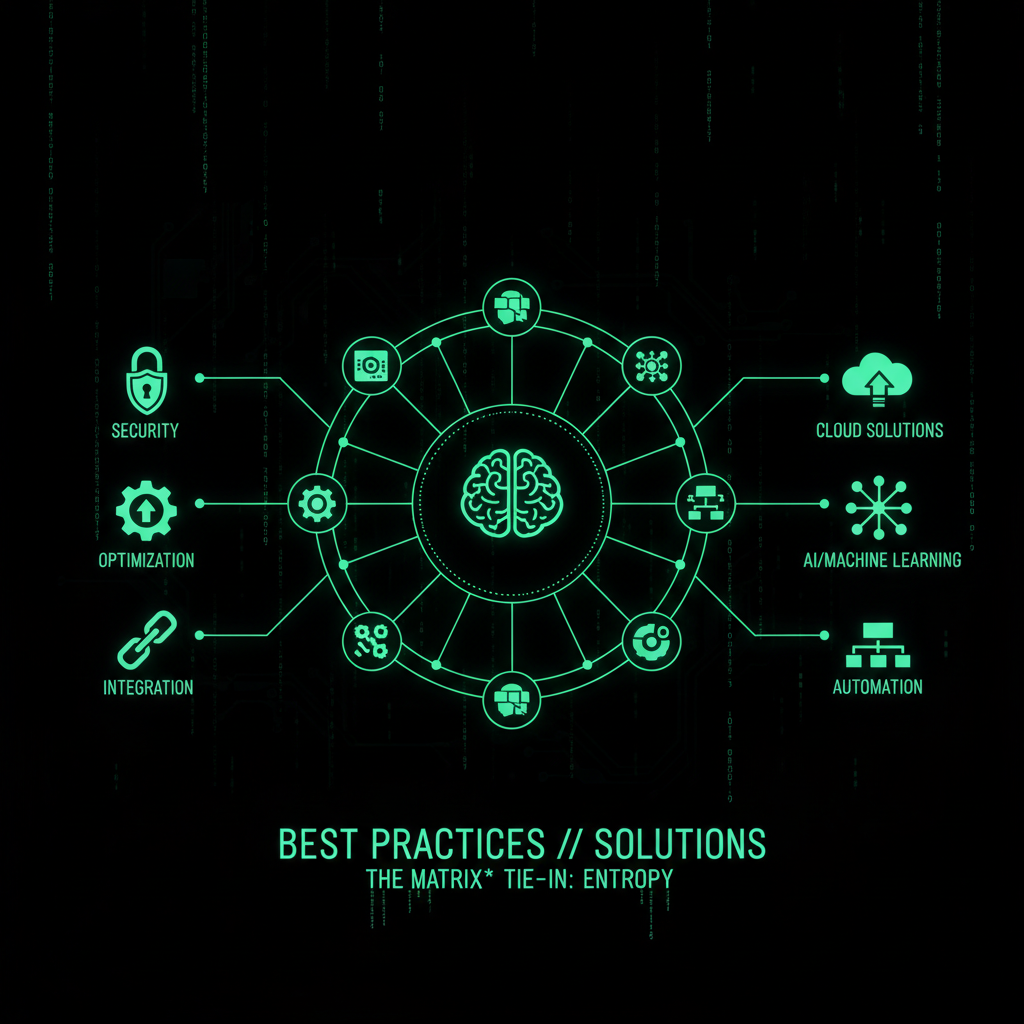
In physics, entropy dictates that all systems gradually decline into disorder. The Matrix* is no different.
"There is no spoon." — The Matrix
There is also no "done."
A website is not a static object like a chair. It is a living system. It exists in a hostile environment where thousands of automated bots attack it daily. The server software changes. The coding languages evolve.
Maintenance is the energy required to fight entropy. Security is the shield against chaos.
When you buy a lifetime deal, you are betting that entropy will stop. You are betting that the digital world will freeze in place. That is a hallucination.
The Real Cost of Ownership
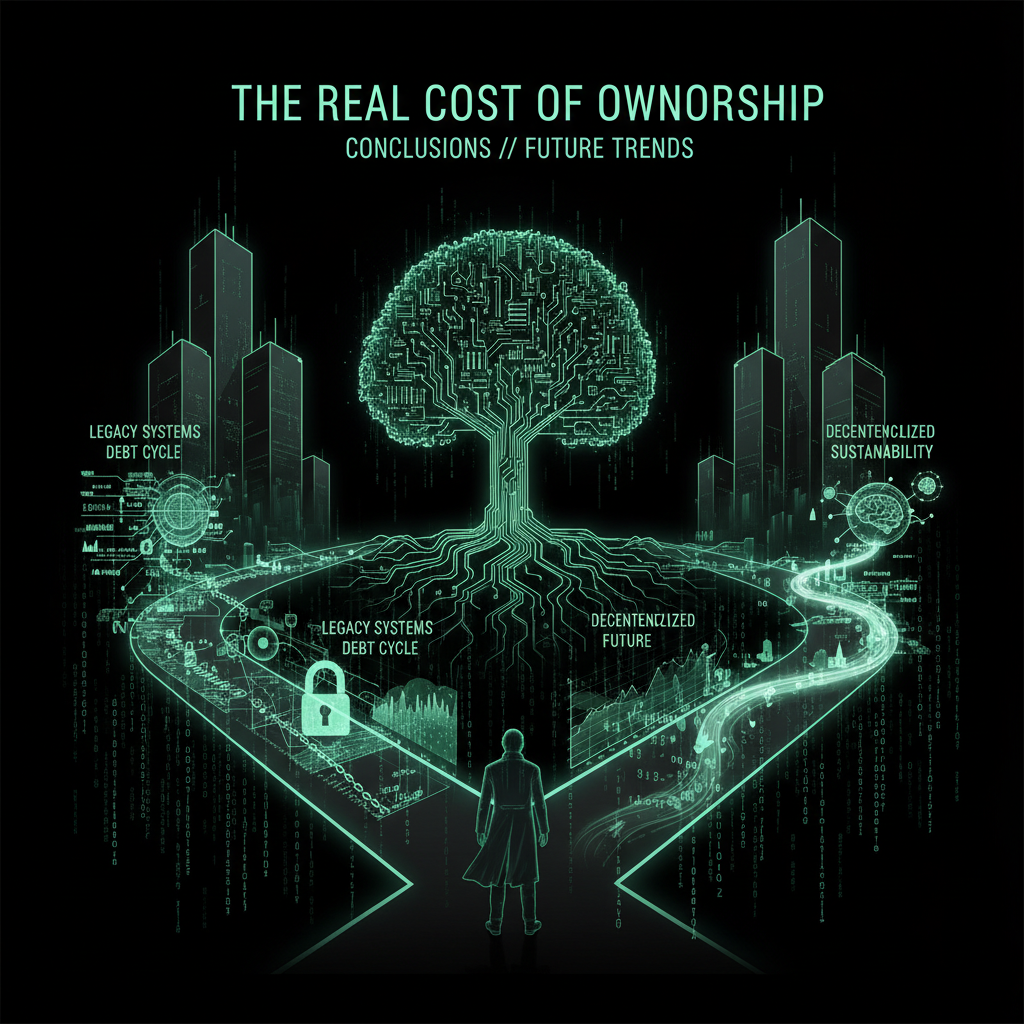
If you want to own a digital asset, you have to accept the cost of maintaining it.
You don't buy a car and expect "Lifetime Gas" and "Lifetime Repairs" for a one-time fee. You understand that operation costs money.
Sustainable businesses charge recurring fees because their costs are recurring.
- Managed Hosting: Pays for electricity, hardware replacements, and 24/7 monitoring.
- Plugin Subscriptions: Pay for developers to fix bugs, patch security holes, and add features.
- Maintenance Plans: Pay for human Operators* to update, backup, and protect your site.
When you pay a subscription, you are aligning your incentives with the provider. You pay them to keep the service running, secure, and updated. If they fail, you stop paying.
When you pay a lifetime deal, the incentive is the opposite. The provider wants you to use as little as possible, or ideally, to leave.
The Verdict
We see it all the time in our cleanup work. A hacked site running a "Lifetime" plugin that hasn't been updated in three years. A crashed server from a "Lifetime" host that vanished overnight.
You rent space in the digital world; you don't own it forever for $50.
If your business depends on your website, don't build it on a business model designed to fail. Choose partners who have a sustainable plan to be here in 5 years.
Choose the Red Pill. Choose reality. Choose sustainability.
Real-World Examples: When "Lifetime" Ends
Let's look at what actually happens when lifetime deals collapse:
Case Study 1: Lifetime Hosting Provider Shutdown
The Deal: A hosting company offered "Lifetime Hosting" for $99 in 2018. Thousands of customers signed up.
What Happened: By 2021, the company was losing money on every lifetime customer. They tried to convert users to paid plans, but most refused. In 2022, they announced closure with 30 days notice.
The Impact: Over 5,000 websites had to scramble to find new hosting. Many lost data during the rushed migration. Some sites were down for days. The "lifetime" lasted 4 years.
The Lesson: Lifetime hosting is unsustainable. When the company can't afford to keep servers running, your site goes offline.
Case Study 2: Lifetime Plugin Abandonment
The Deal: A popular WordPress plugin sold "Lifetime Licenses" for $49 in 2019. Over 10,000 customers purchased.
What Happened: The developer made $490,000 upfront. But when WordPress 6.0 released in 2022, the plugin broke. The developer had moved on to other projects and couldn't justify spending weeks fixing code for customers who paid once three years ago.
The Impact: 10,000+ sites had broken functionality. Some sites crashed. Many had to pay developers $500-$2,000 to fix or replace the plugin. The "lifetime" lasted 3 years.
The Lesson: Lifetime plugin licenses remove the developer's incentive to maintain code. When WordPress updates, your "lifetime" plugin becomes abandonware.
Case Study 3: Lifetime SaaS Service Degradation
The Deal: A SaaS tool offered "Lifetime Access" for $199 in 2020. The service provided email marketing automation.
What Happened: The company couldn't afford to maintain servers and infrastructure for lifetime users. They began throttling features, limiting email sends, and reducing support. By 2023, the service was essentially unusable for lifetime users.
The Impact: Customers who paid for "lifetime" access found themselves with a service they couldn't use. Many had to migrate to paid alternatives, losing their email lists and automation workflows.
The Lesson: Lifetime SaaS deals degrade over time. The company has no financial incentive to maintain quality for non-paying customers.
The Mathematics of Lifetime Deals
Let's break down why lifetime deals are mathematically impossible:
Hosting Cost Analysis
For a typical shared hosting account:
- Server costs: $5-10/month per customer
- Support costs: $2-5/month per customer
- Infrastructure: $1-3/month per customer
- Total cost: $8-18/month per customer
If you pay $99 once for "lifetime" hosting:
- Month 1-6: Company makes profit
- Month 7-12: Company breaks even
- Month 13+: Company loses money every month
- Year 2: You've cost them $96-216 in expenses, but paid $0
- Year 5: You've cost them $480-1,080, but paid $99 total
The math doesn't work. The company either goes bankrupt, degrades your service, or finds a way to get rid of you.
Plugin Development Cost Analysis
Maintaining a WordPress plugin requires:
- WordPress updates: 2-4 hours per major release (4-6 times per year)
- Security patches: 4-8 hours per vulnerability
- Bug fixes: 2-5 hours per month
- Support: 1-3 hours per customer per year
- Total: 50-100 hours per year minimum
At $50/hour developer rate, that's $2,500-$5,000 per year to maintain a plugin. If you paid $49 for a lifetime license, the developer loses money after the first year of maintenance.
Result: The developer stops maintaining the plugin. Your "lifetime" license becomes worthless when WordPress updates break it.
Why Companies Offer Lifetime Deals
Understanding the motivation helps you see why they're problematic:
1. Cash Flow Problems
Many companies offer lifetime deals when they're struggling financially. They need immediate cash to stay afloat. Lifetime deals provide a large injection of money upfront, but create long-term liabilities.
Red flag: If a company needs lifetime deals to survive, they're already in trouble.
2. Exit Strategy
Some companies plan to sell or shut down after collecting lifetime deal revenue. They maximize short-term profits, then exit before the lifetime obligations become too expensive.
Red flag: Lifetime deals are often a sign the company doesn't plan to be around long-term.
3. Ponzi Scheme Model
New lifetime deal customers pay for existing lifetime customers. As long as new customers keep coming, the model works. But when growth slows, the entire structure collapses.
Red flag: If a company relies on constant new customers to pay for old ones, it's unsustainable.
4. Desperation
Companies that can't compete with subscription models sometimes resort to lifetime deals as a last-ditch effort to attract customers.
Red flag: If they can't sell subscriptions, there's usually a reason.
The Hidden Costs of Lifetime Deals
Even if a lifetime deal doesn't collapse immediately, there are hidden costs:
1. Degraded Service
- Slower support: Lifetime customers get lowest priority
- Limited features: New features only for paying customers
- Performance throttling: Lifetime accounts get slower servers
- Reduced resources: Lower storage, bandwidth, and processing limits
2. Security Risks
- Outdated software: Lifetime plugins stop receiving security updates
- Abandoned code: Vulnerabilities never get patched
- Compatibility issues: Lifetime software breaks with WordPress updates
- No support: When security issues arise, you're on your own
3. Migration Costs
- Data migration: Moving from a failed lifetime service costs $500-$2,000
- Downtime: Site outages during migration lose revenue
- Replacement costs: Finding and paying for alternatives
- Lost data: Some data may be unrecoverable during rushed migrations
4. Opportunity Cost
- Better alternatives: You miss out on superior services with active development
- Lock-in: Stuck with inferior service because you "already paid"
- Innovation: Lifetime services don't innovate (no revenue incentive)
How to Identify Problematic Lifetime Deals
Not all lifetime deals are scams, but most are unsustainable. Here's how to spot the problematic ones:
Red Flags
- Too cheap: If it's significantly cheaper than monthly alternatives, it's unsustainable
- New company: Companies without track records offering lifetime deals are risky
- Aggressive marketing: Heavy pressure to buy "before the deal ends"
- No recurring revenue model: Company only offers lifetime, no subscriptions
- Vague terms: Unclear what "lifetime" actually means
- Poor reviews: Existing customers complaining about service degradation
Green Flags (Rare but Possible)
- Established company: Well-known brand with years of operation
- Limited scope: Lifetime deal for a specific product, not core service Clear terms: Explicit about what's included and limitations
- Active development: Company continues to improve the product
- Supplemental revenue: Lifetime deal is bonus, not primary revenue source
Alternatives to Lifetime Deals
If you want to save money without the risks of lifetime deals, consider:
1. Annual Subscriptions
Many services offer significant discounts for annual payments (20-30% off). You get:
- Lower cost than monthly
- Sustainable business model
- Ongoing updates and support
- Ability to cancel if service degrades
2. Multi-Year Discounts
Some companies offer 2-3 year plans with discounts. You lock in lower rates while the company maintains sustainability.
3. Open Source Alternatives
For many tools, open source alternatives exist. They're free, actively maintained by communities, and don't have lifetime deal risks.
4. Self-Hosted Solutions
For advanced users, self-hosting gives you control. You pay for hosting and maintenance, but you're not dependent on a company's business model.
The Sustainable Business Model
Why subscriptions work better for everyone:
For Customers
- Ongoing value: Service improves over time
- Accountability: Company must maintain quality or lose customers
- Flexibility: Can cancel if service degrades
- Security: Regular updates and patches
- Support: Active customer service
For Companies
- Sustainability: Recurring revenue covers ongoing costs
- Innovation: Revenue funds new features and improvements
- Quality: Must maintain service to retain customers
- Growth: Sustainable expansion without Ponzi schemes
Making the Right Choice
When evaluating any service, ask these questions:
- Is the business model sustainable? Can they afford to provide this service long-term?
- What happens if they shut down? Can you migrate easily? Will you lose data?
- Do they have incentive to maintain quality? Will they keep improving the service?
- What's the real total cost? Including migration costs if it fails?
- Are there better alternatives? Is a subscription actually a better value?
For critical business services (hosting, security, backups), choose sustainable models. The small savings from lifetime deals aren't worth the risk of losing your business.
Frequently Asked Questions
Are lifetime deals always a scam?
Not always, but most are unsustainable. The business model is fundamentally flawed because ongoing costs (servers, support, development) require ongoing revenue. While some lifetime deals work for limited products or established companies, most eventually fail, degrade, or shut down. The risk is high, especially for critical services like hosting or security tools.
What happens to my data if a lifetime hosting provider shuts down?
If a lifetime hosting provider shuts down, you typically get 30-60 days notice (if you're lucky). You must migrate your site to a new host during that window. Risks include: Data loss if migration isn't done properly. Extended downtime during migration. Additional costs for emergency migration ($500-$2,000). Lost backups if the provider doesn't provide them. Protection: Always maintain your own backups. Don't rely solely on the provider's backups. Have a migration plan ready. Our maintenance plans include backup management and can help with emergency migrations.
Can I get a refund if a lifetime deal fails?
Usually no. Most lifetime deals have "no refund" policies, and when companies shut down, they often declare bankruptcy, leaving no money for refunds. Legal options: You can try to dispute the charge with your credit card company, but this only works within 60-120 days of purchase. After that, you're likely out of luck. Prevention: Research companies thoroughly before buying lifetime deals. Look for established companies with track records. Consider the total cost of ownership, including migration costs if it fails.
Why do some lifetime deals seem to work?
Some lifetime deals work temporarily because: Ponzi model: New customers pay for old ones (works until growth stops). Loss leader: Company uses lifetime deals to attract customers, then upsells to paid plans. Limited scope: Lifetime deal for a small product, not core service. Established company: Large company can absorb losses on lifetime customers. But: Even "working" lifetime deals often degrade service quality over time. Lifetime customers get lowest priority for support and features. The model remains unsustainable long-term.
Should I avoid all lifetime deals?
Not necessarily, but be very selective: Avoid for critical services: Hosting, security tools, backups, payment processing. Consider for non-critical: One-time use tools, limited-scope products, established companies. Red flags: Too cheap, new company, aggressive marketing, no other revenue model. Best practice: For business-critical services, choose sustainable subscription models. The small savings from lifetime deals aren't worth the risk of service failure or data loss. Our services use sustainable subscription models to ensure we can maintain quality and be here for you long-term.
How do I migrate away from a failed lifetime service?
If your lifetime service fails, here's how to migrate: Immediate steps: Export all your data immediately. Download backups if available. Document all configurations and settings. Find a replacement service quickly. Migration process: Set up new service. Import data and configurations. Test thoroughly before going live. Update DNS and switch over. Costs: Emergency migrations typically cost $500-$2,000 if done professionally. DIY migrations risk data loss and extended downtime. Prevention: Maintain your own backups. Have a migration plan ready. Don't wait until service fails. Our maintenance plans include backup management and can assist with migrations to prevent data loss.
What's the difference between lifetime deals and one-time purchases?
Key differences: Lifetime deals: Promise ongoing service, updates, and support forever. Usually for services (hosting, SaaS, plugins). Unsustainable business model. One-time purchases: You own the software/product. No ongoing service promised. Usually for downloadable products. Sustainable if no ongoing costs. Example: Buying a WordPress theme for $59 is a one-time purchase (you own it). Buying "lifetime hosting" for $99 is a lifetime deal (ongoing service). Rule of thumb: If it requires ongoing costs (servers, support, updates), a one-time payment is unsustainable. If it's a product you download and use independently, one-time purchase can work.